Sands Hotel & Casino Las Vegas History: Copa Room & Rat Pack
Read Article →
Moulin Rouge Hotel Las Vegas: America's First Integrated Casino Resort and the 1960 Desegregation Agreement
The Moulin Rouge Hotel and Casino opened on May 24, 1955, at 900 West Bonanza Road as the United States' first major racially integrated luxury hotel-casino, built for $3.5 million by developers Will Max Schwartz, Alexander Bisno, and Louis Rubin with architects Walter Zick and Harris Sharp and a soaring pink neon script sign by Betty Willis. Although mounting creditor liens forced the 110-room resort into bankruptcy by November 1955 after barely six months in business, its shuttered showroom hosted the historic March 26, 1960 Moulin Rouge Agreement that ended Jim Crow guest segregation on the Las Vegas Strip before arson fires in 2003 and 2009 led to its demolition.
Throughout the 1940s and 1950s, Las Vegas earned the nickname "the Mississippi of the West" by billing Black superstars on Strip marquees while barring Black patrons, and the headliners themselves, from casino floors, dining rooms, swimming pools, and hotel beds. For six electric months in 1955, the Moulin Rouge shattered that color line on the boundary between Downtown and the Black Westside, creating an integrated late-night epicenter featured on the June 20, 1955 cover of LIFE magazine.

Black and white guests gather at the Moulin Rouge lounge bar while Count Basie veteran Harry "Sweets" Edison plays trumpet inside the Café Rouge showroom in 1955.
In This Article • 5 Archival Photographs
Click any photo to view full size
Archival Landmark Dossier
Street Address
900 West Bonanza Road, Las Vegas, NV (Westside border)
Opening Date & Cost
May 24, 1955 • $3.5 million (110 guest rooms)
Developers & Greeter
Will Max Schwartz, Alexander Bisno & Louis Rubin; Joe Louis (2% partner)
Architects & Sign
Walter Zick & Harris Sharp; pink neon marquee by Betty Willis (YESCO)
Desegregation Summit
March 26, 1960 Moulin Rouge Agreement ending Strip guest segregation
Historic Status & Fate
NRHP #92001701 (1992); gutted by 2003 & 2009 arson fires; razed 2010–2017
Why Was the Moulin Rouge Built at 900 West Bonanza Road in 1955?
During the postwar casino boom, unwritten Jim Crow rules governed every major property on Fremont Street and US Highway 91. Sammy Davis Jr., Nat King Cole, Lena Horne, Dorothy Dandridge, and Louis Armstrong drew record crowds to showrooms at the Sands, Flamingo, and El Rancho Vegas, yet management required Black entertainers to enter through kitchen loading docks, wait in dressing rooms between sets rather than sit in the lounge, and sleep across the Union Pacific railroad tracks in Westside rooming houses such as Harrison's Guest House.
Sensing an untapped market among both excluded Black travelers and progressive white patrons, Los Angeles retail clothier Will Max Schwartz joined real-estate syndicator Alexander Bisno and New York restaurateur Louis Rubin (former manager of Manhattan's Chandler's Restaurant) in 1954 to build a $3.5 million interracial resort. They selected 900 West Bonanza Road specifically as neutral transitional ground: just west of the railroad underpass separating white Downtown from the historically Black West Las Vegas neighborhood.
Las Vegas architects Walter Zick and Harris Sharp designed two sleek, V-shaped two-story Mid-Century Modern motel wings holding 110 air-conditioned rooms wrapped around a palm-fringed courtyard swimming pool. Inside the terrazzo-floored main pavilion, towering Toulouse-Lautrec-style murals of 1890s Montmartre can-can dancers lined the casino and the 550-seat Café Rouge theater-restaurant. Above the porte-cochère, Young Electric Sign Company (YESCO) designer Betty Willis, four years before she created the Welcome to Fabulous Las Vegas sign, mounted a sweeping magenta cursive neon "Moulin Rouge" script atop intersecting steel pylons.

Moulin Rouge, Las Vegas, 1955. Scene at the bar, and trumpeter Harry Edison in the Cafe Rouge.
Who Performed at the Café Rouge and the Legendary 2:30 a.m. Third Show?
When the Moulin Rouge opened on May 24, 1955, its workforce was purposefully integrated from top to bottom: Black and white dealers worked side by side at craps and blackjack layouts, Black waiters served white diners in the Deauville Room steakhouse, and former world heavyweight boxing champion Joe Louis greeted VIPs in the lobby as an official host holding a 2 percent equity stake. Readers can view original 1955 showroom and lounge scenes in the Moulin Rouge archival photo collection.
Veteran Harlem Cotton Club producer Clarence Robinson directed the house spectacular, Tropi-Can-Can, anchored by lead dancer Anna Bailey, master of ceremonies Bob Bailey, bandleader Benny Carter, and jazz trumpeter Harry "Sweets" Edison. Across the summer of 1955, billings included classical-jazz pianist Hazel Scott, Lionel Hampton, Stump and Stumpy, Wini Brown, and nine-year-old tap prodigy Gregory Hines performing alongside his brother and father in Hines, Hines and Dad. On June 20, 1955, LIFE magazine put chorus dancers Mamie Peterson and Joanne Tyson in feathered yellow costumes on its national cover, photographed by Loomis Dean.
The resort's biggest draw began nightly at 2:30 a.m. After finishing their 8:15 p.m. dinner shows and midnight late shows on the Strip, Frank Sinatra, Sammy Davis Jr., Dean Martin, Judy Garland, Nat King Cole, Donald O'Connor, Jack Benny, and Tallulah Bankhead drove north to Bonanza Road for the Moulin Rouge's unbilled "Third Show." Spontaneous jam sessions lasted until dawn, pulling high-stakes gamblers away from deserted Highway 91 craps tables so consistently that Strip entertainment directors briefly experimented with pushing late-show curtain times back to keep stars and bankrolls on the boulevard.

Guests and performers inside the Moulin Rouge during its celebrated summer 1955 run, weeks after appearing on the June 20, 1955 cover of LIFE magazine.
Why Did the Moulin Rouge Close in Late 1955 After Only Six Months?
Despite packed showrooms and national press acclaim, the Moulin Rouge abruptly shuttered its hotel rooms in October 1955 and padlocked its casino and Café Rouge in November 1955, filing for bankruptcy with more than $1.2 million in unpaid mechanic's liens, tax assessments, and supplier bills. Rumors immediately circulated through Las Vegas that resentful Strip operators had conspired with liquor wholesalers and creditors to choke off the Bonanza Road upstart.
Court bankruptcy ledgers and contemporary reporting in Jet magazine (October 27, 1955) pointed to severe structural and financial vulnerabilities beneath the glamour. Bisno and Rubin had undercapitalized construction from the start, opening May 24 already burdened by short-term, high-interest contractor notes that required extraordinary daily table wins merely to service debt. With only 110 modest motel rooms, the property lacked the captive multi-day high-roller base enjoyed by 300- to 500-room Strip competitors like the Riviera and Dunes, both of which had opened during the same spring 1955 glut.
Operational leakage compounded the debt squeeze. Entertainment and payroll overhead for full orchestras, chorus lines, and celebrity greeters outstripped daytime casino drop, which slumped between noon and midnight before the 2:30 a.m. Strip crowd arrived, while former employees and auditors later alleged heavy unrecorded skimming from the casino cage before receipts were tallied. Once trade creditors froze deliveries in autumn 1955, none of the partners possessed the liquid reserves to reorganize.

Archival October 1955 press documentation examining why the heavily indebted 110-room Moulin Rouge ran out of operating cash despite packed late-night showrooms.
How Did the March 26, 1960 Moulin Rouge Agreement End Jim Crow on the Las Vegas Strip?
Five years after its casino closed, the Moulin Rouge became the stage for the single most consequential civil-rights negotiation in Nevada history. On March 11, 1960, dentist Dr. James B. McMillan, newly elected president of the Las Vegas branch of the NAACP, inspired by February's Greensboro lunch-counter sit-ins, delivered a formal letter to Mayor Oran Gragson. Unless Strip and Downtown casinos ended racial exclusion within fifteen days, McMillan announced, hundreds of protestors would march down Las Vegas Boulevard South on Saturday night, March 26, 1960.
Although city officials doubted McMillan had hundreds of marchers ready, word that national television network crews were flying in from Los Angeles panicked Strip resort owners and first-term Democratic Governor Grant Sawyer, who knew televised clashes outside neon casinos would devastate convention bookings. On the afternoon of Saturday, March 26, 1960, Sawyer, Mayor Gragson, Las Vegas Sun publisher Hank Greenspun, Clark County Sheriff Butch Leypoldt, Las Vegas Police Chief Ray Sheffer, and casino executives met inside the shuttered Moulin Rouge showroom with Dr. McMillan, former Moulin Rouge emcee Bob Bailey, Dr. Charles West, Donald Clark, and David Hoggard.
After intense afternoon negotiations, hotel owners agreed to lift racial restrictions immediately across Strip dining rooms, bars, showrooms, gaming pits, and guest registration desks in exchange for McMillan calling off the evening march. That same night, dressed-up Black test couples dispatched by the NAACP walked unimpeded into the Sands, Stardust, Desert Inn, Tropicana, and Riviera, cashed chips, and ordered drinks. While this unwritten Moulin Rouge Agreement desegregated Las Vegas as a tourist consumer market overnight, front-of-house hiring barriers for Black dealers, cocktail servers, and pit bosses persisted until federal intervention produced the 1971 Nevada Resort Association Consent Decree.

Moulin Rouge, Las Vegas, 1955. Jet, 10/27/55.
What Happened to the Moulin Rouge Site Between 1960, the 2003 Arson Fire, and Demolition?
Across the 1960s and 1970s, the West Bonanza complex reopened intermittently as a supper club, neighborhood motel, and low-stakes slot parlor. In 1985, Westside entrepreneur Sarann Knight-Preddy, who in 1950 had become the first Black woman in Nevada to hold a gaming license in Hawthorne, leased the property with her husband Joe Preddy, operating the casino, liquor store, and community banquet hall through 1997 while restoring neighborhood pride in the landmark. On December 22, 1992, the National Park Service listed the Moulin Rouge Hotel on the National Register of Historic Places (Reference #92001701).
Physical preservation proved far harder to finance than historic designation. At 3:00 a.m. on May 29, 2003, a four-alarm arson fire erupted inside the vacant main building, collapsing the Café Rouge roof and destroying Zick and Sharp's 1955 casino interior and Montmartre murals while sparing only the curved stucco tower facade and Betty Willis's neon sign. A 2004 $12 million purchase by Moulin Rouge Development Corp., which promised a $200 million revival resort, collapsed into foreclosure during the 2008 financial crisis.
After a second major fire scorched remaining structures on May 6, 2009, preservationists removed Betty Willis's pink cursive "Moulin Rouge" neon letters in 2009 and transferred them to the Neon Museum, where the restored marquee illuminates the Boneyard today. Citing imminent collapse hazards, City of Las Vegas building officials ordered emergency demolition of the surviving 1955 tower shell in July 2010, and crews razed the last derelict two-story motel wings at 900 West Bonanza Road in August 2017.
What Are the Key Dates in Moulin Rouge History (1954–2017)?
Tracing the seventy-year arc of 900 West Bonanza Road separates its brief six-month commercial run as a casino from its permanent civic legacy in dismantling segregation across Southern Nevada.
| Date | Historical Event | Key Participants & Significance |
|---|---|---|
| Summer 1954 | Construction Begins | Schwartz, Bisno & Rubin hire Zick & Sharp and YESCO's Betty Willis for $3.5M build. |
| May 24, 1955 | Integrated Gala Opening | Joe Louis hosts; Clarence Robinson's Tropi-Can-Can and 2:30 a.m. Third Show debut. |
| June 20, 1955 | LIFE Magazine Cover | Loomis Dean photographs Moulin Rouge dancers Mamie Peterson and Joanne Tyson. |
| Oct–Nov 1955 | Closure & Bankruptcy | 110-room hotel and casino close with $1.2M+ in unpaid construction and trade liens. |
| March 26, 1960 | Moulin Rouge Agreement | Dr. James McMillan, Gov. Grant Sawyer, Mayor Gragson & owners end Strip guest Jim Crow. |
| Dec 22, 1992 | National Register Listing | Designated NRHP #92001701 during Sarann Knight-Preddy's stewardship era. |
| 2003–2017 | Arson Fires & Razing | May 29, 2003 arson guts casino; sign saved by Neon Museum (2009); shells razed 2010 & 2017. |
In 2019 and 2020, the State of Nevada and City of Las Vegas installed permanent historical markers at 900 West Bonanza Road commemorating both the 1955 integrated workforce and the 1960 desegregation compact negotiated inside its walls.
Frequently Asked Questions
Was the Moulin Rouge located on the Las Vegas Strip?
No. The Moulin Rouge stood roughly three miles north of the Las Vegas Strip at 900 West Bonanza Road, straddling the Union Pacific railroad boundary between predominantly white Downtown Las Vegas and the historically Black Westside neighborhood. Developers chose West Bonanza Road intentionally as accessible, neutral territory where both white tourists from Highway 91 and Black residents of West Las Vegas felt welcome.
Who attended the March 26, 1960 Moulin Rouge Agreement meeting?
Key participants inside the shuttered Moulin Rouge on Saturday afternoon, March 26, 1960, included Las Vegas NAACP president Dr. James B. McMillan, NAACP colleagues Bob Bailey, Donald Clark, David Hoggard, and Dr. Charles West, Nevada Governor Grant Sawyer, Las Vegas Mayor Oran Gragson, Las Vegas Sun publisher Hank Greenspun, local law-enforcement chiefs, and Strip hotel-casino representatives.
Did the 1960 Moulin Rouge Agreement integrate Strip casino jobs as well as patrons?
No. The March 26, 1960 Moulin Rouge Agreement desegregated public accommodations (allowing Black guests to book Strip rooms, gamble at tables, dine in restaurants, and watch showroom headliners) though a few Downtown clubs resisted until passage of the federal Civil Rights Act of 1964. Front-of-house casino employment for Black dealers, bartenders, and cocktail waitresses remained largely blocked until a 1971 federal Consent Decree.
Where is Betty Willis's original Moulin Rouge neon sign today?
Betty Willis's 1955 pink cursive neon "Moulin Rouge" marquee survived both the May 29, 2003 arson fire and the May 2009 blaze at 900 West Bonanza Road. Removed safely in 2009 prior to the July 2010 demolition of the burned facade tower, the historic YESCO steel-and-neon script was fully restored and re-illuminated on permanent outdoor display at the Neon Museum on Las Vegas Boulevard North.
Curated Historical Bibliography
Recommended Las Vegas History Books
Recommended historical books and architectural studies covering this landmark. As an Amazon Associate, LasVegasArchive.com earns from qualifying purchases.
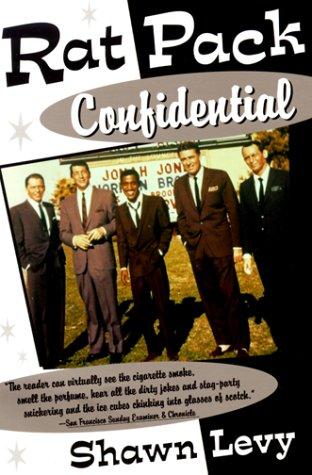
Rat Pack Confidential: Frank, Dean, Sammy, Peter, Joey and the Last Great Showbiz Party
Documents Sammy Davis Jr. and Frank Sinatra's struggles against 1950s Strip segregation and their late-night visits to the Moulin Rouge.
View Hardcover on Amazon ↗
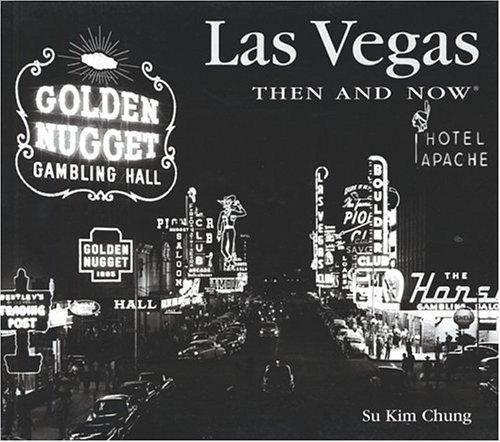
Las Vegas Then and Now
Contrasts UNLV archival photography of 1950s Westside Las Vegas and West Bonanza Road with modern urban redevelopment.
View Hardcover on Amazon ↗
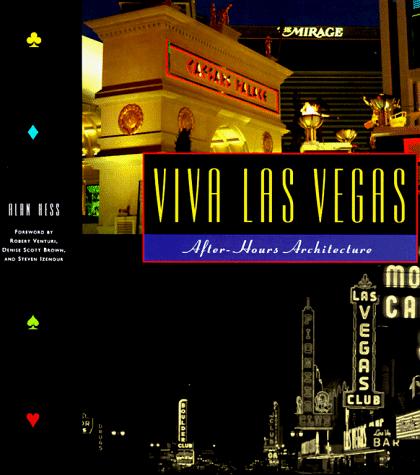
Viva Las Vegas: After-Hours Architecture
Places Zick & Sharp's 1955 resort layout and Betty Willis's cursive neon typography in the canon of Mid-Century Las Vegas design.
View Hardcover on Amazon ↗
1952–1996 • Strip Icons
5 Photos

1959–Present • Roadside Landmarks
5 Photos

Welcome to Fabulous Las Vegas Sign History & Betty Willis
Read Article →
1955–2016 • Strip Icons
5 Photos

Riviera Hotel & Casino Las Vegas History (1955–2016)
Read Article →
1958–2007 • Strip Icons
5 Photos

Stardust Hotel & Casino Las Vegas History (1958–2007)
Read Article →
